Review and Evolve
Preamble
If we go by our financial performance, we are credibly healthy. Against the overall economic and sector outlook, we remained clearly above water, amidst the cautionary climate and tightened purse-strings. Despite the yearly increases in income and expenditures by more than $3M, we still managed a healthy surplus of about $4.5M.
On the operations side, we continued to meet national KPIs and with the initiatives that began in 2025, there were encouraging signs of flourish:
- Our three (3) AACs expanded by six (6) satellites;
- We were appointed ICCPs for the sub-regions of Seletar-Sengkang and a new virgin territory at Bedok; and
- Our IPC status was renewed for another 22 months.
Financial Health
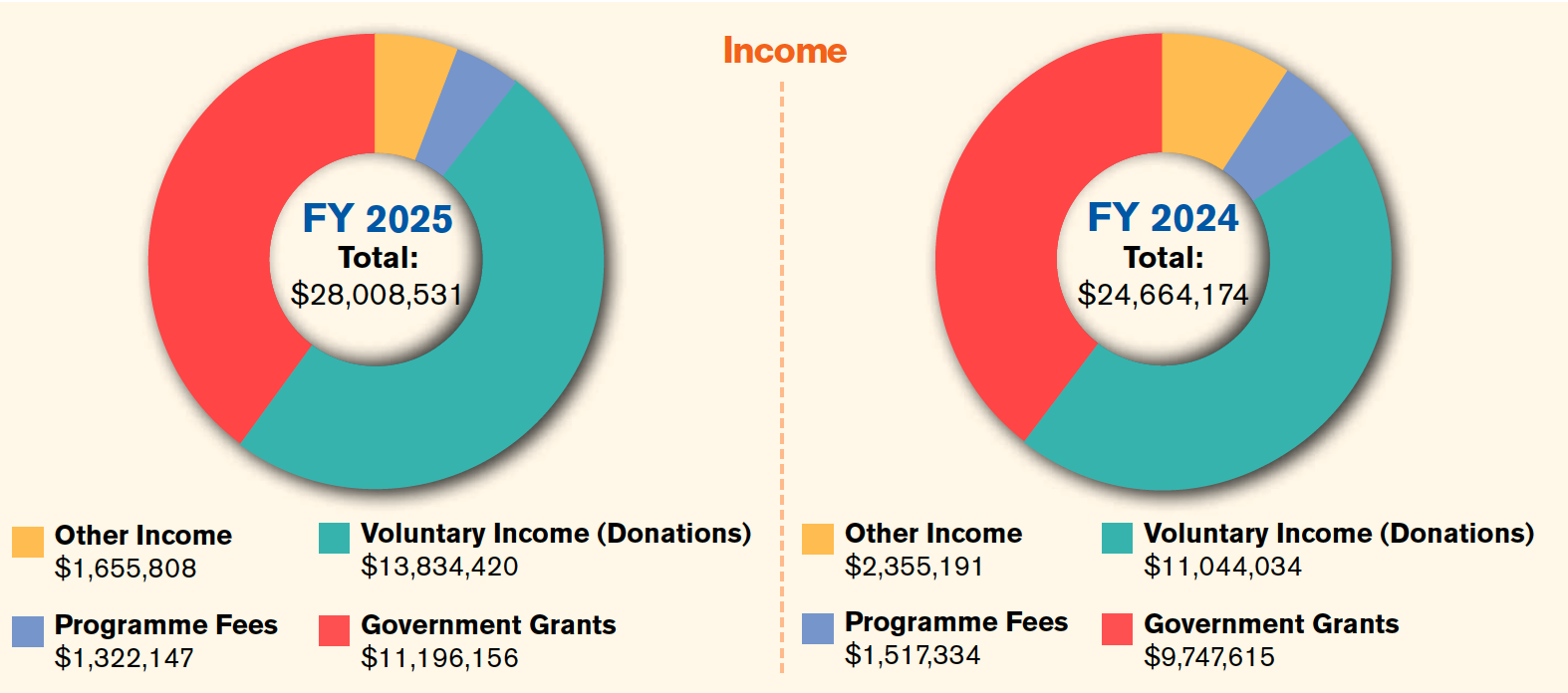
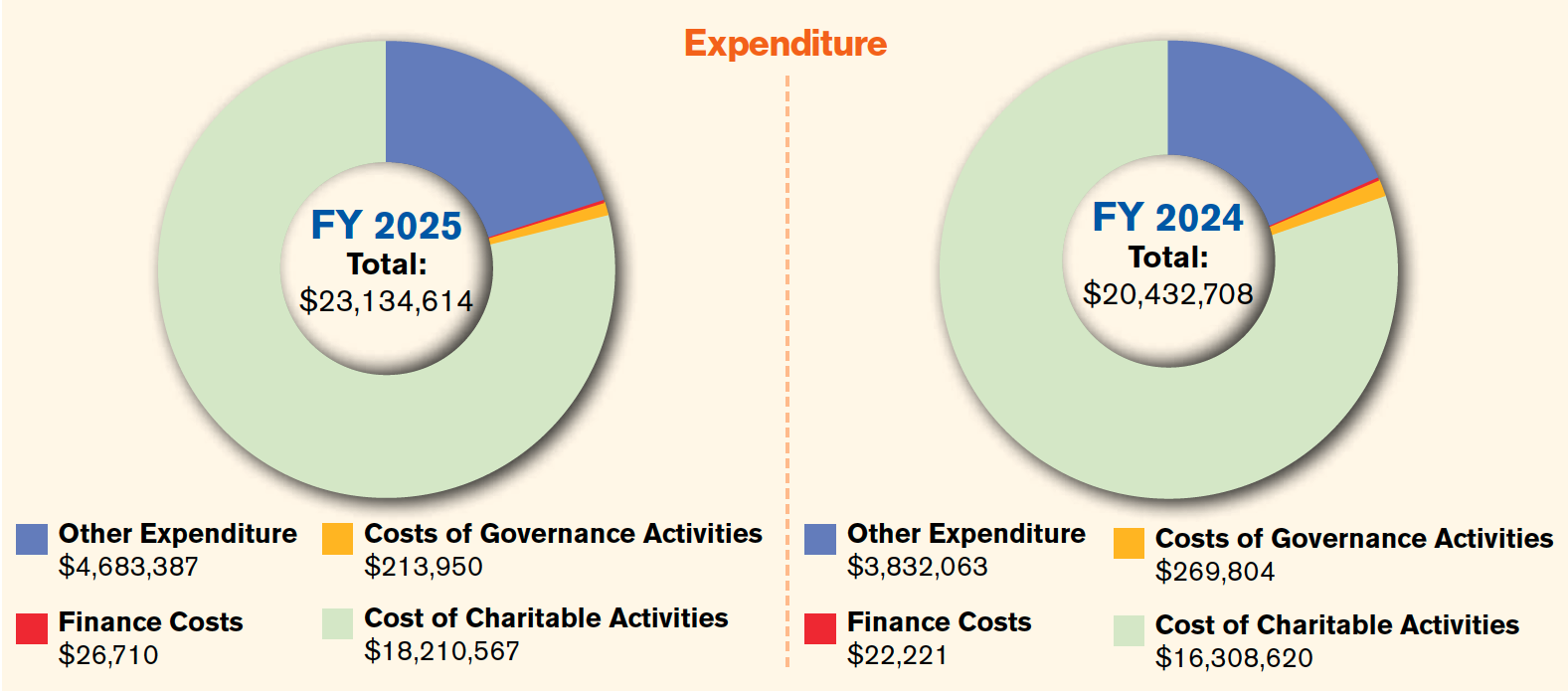
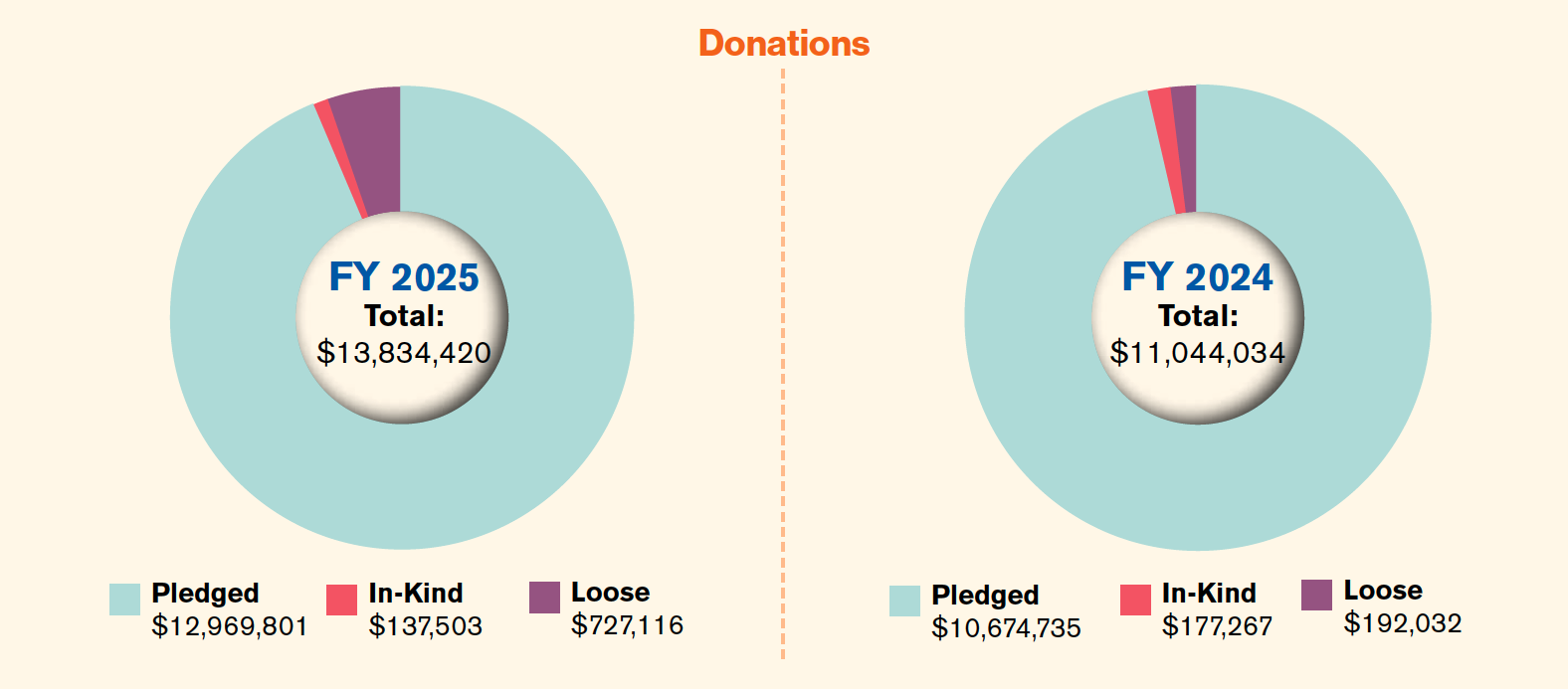

Fundraising
Fundraising is our lifeline, in order for us to sustain the meaningful work done in eldercare, from our sheltered home to the senior care centres to the active ageing centres and satellites. The expenditures on seniors, on the programmes and activities, can only increase with newer and more novel ways to ensure ‘quality of ageing’.
We already crossed $10M in donation income in 2024. That momentum carried through 2025, totalling about $13.6M, averaging $1.1M per month.
Moving forward, if at all, we will just ensure that our ‘winning formula’ continues to be well-oiled. Investing in a third-party fundraiser as well as exploiting various donation income channels, such as corporations and businesses, and residential door-to-door solicitation, our ‘harvest’ can only be limited by the cautionary economic climate.
With dedicated resources and the continually active marketing and branding efforts, we hope to capture a large portion of the ‘donation-income pie’ despite its variability in size due to ‘economic climatic changes’.
Strategic Planning Journey
from 2022 - 2025
Our strategic planning journey commenced almost at end 2021. The first Management Retreat was held from 15 to 18 July 2022 in Chiang Mai, Thailand.
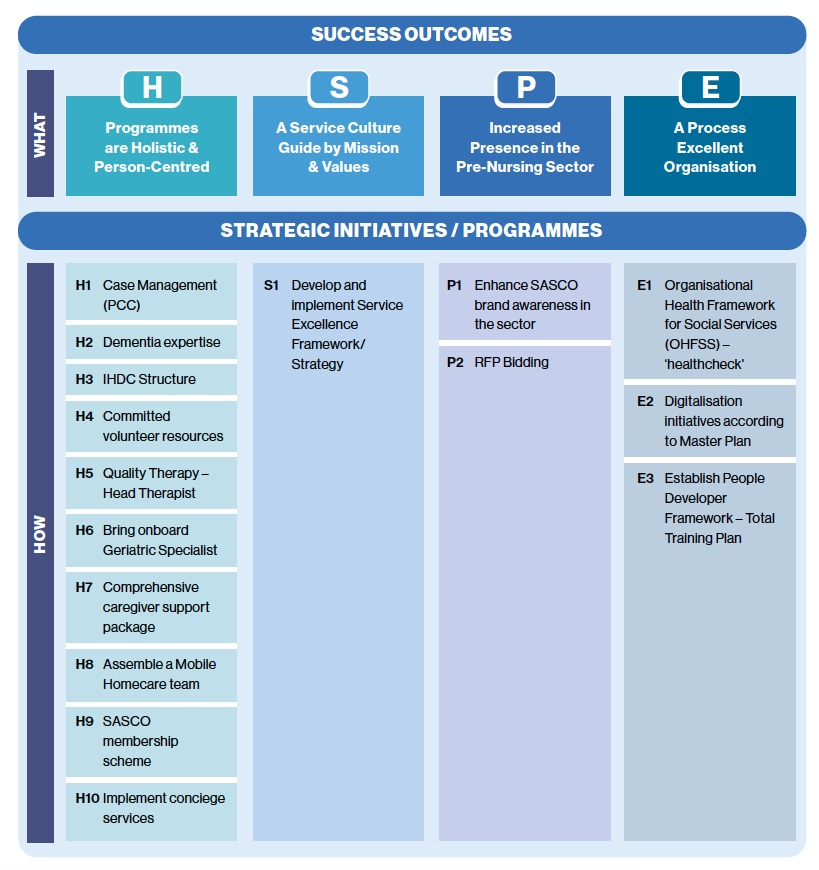
We engaged a consultant, aAdvantage, who facilitated a three-day workshop on 15, 23 and 24 August 2022. This resulted in a Mid- Term Plan (MTP) comprising four strategic thrusts and 16 initiatives.
The second MTP retreat was held from 10 to 16 August 2023 in Sri Lanka.
The various reviews shaped the number of initiatives – from 16 to 17 to 14 – with 25 initiatives having been started overall.
Our Strategic Map (2022)
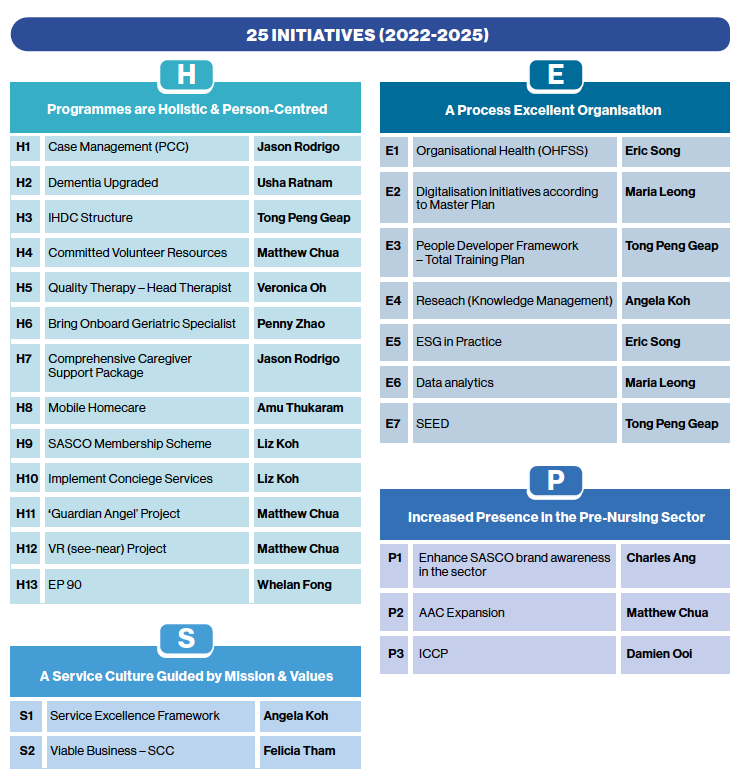
Mid-Term Plan to Project PDCA
Overall, we have had 25 initiatives implemented in the last 3 years.
Through the implementation, some were discontinued or merged with other initiatives, some were embedded as part of normal operations, some were added due to ongoing developments, and some others as special projects but relevant under the respective strategic thrusts.
In closing the MTP chapter, we opened a new chapter with Project PDCA (Plan, Do, Check, Act):
There will be 12 initiatives continuing from the MTP (2022 – 2025). Four new initiatives have been identified in early 2026 and more will be added along the year, as necessary.
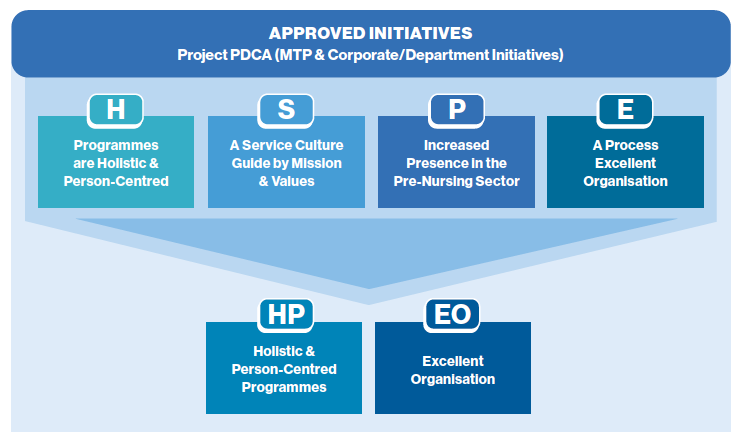
Project PDCA
The four (4) pillars or strategic thrusts under MTP were restructured into two (2) main thrusts – Holistic Programmes (HP) and Excellent Organisation (EO).
Twelve (12) of the 25 initiatives from MTP remained and four (4) new initiatives were approved with the view to see more initiatives onboard later. The new initiatives include:
- Work Instructions
- Impact Measurement (Theory of Change)
- Charity Governance 2027
- Generative AI
Sheltered Home and Senior Care Centres
We managed to maintain an occupancy rate of just under 80 seniors throughout the year. MSF not only renewed our licence but under the Social Residential Homes Act, we were also entrusted to expand our services to respite cases and Category 1 seniors.
Our Senior Care Centres were accredited with the ‘Butterfly Approach’ model of care for persons living with dementia, by mid of 2025. With the restructuring to consolidate our care services under ‘Allied Health’, our care efficiency and effectiveness improved significantly – occupational therapy and physiotherapy, physical rehabilitation and psychosocial services.
We even formed partnerships with SIT and Jamiyah Nursing Home to collaborate on student placement and manpower provision.
AAC 2.0
From April 2025, our AAC transitioned from AAC 2.0T (Transition) to AAC 2.0. We have met AAC 2.0T targets of Tier 6 for Khatib and Tier 5 for Compassvale and West Coast and progressed to onboard AAC 2.0. The number of seniors we have recruited by 2025:
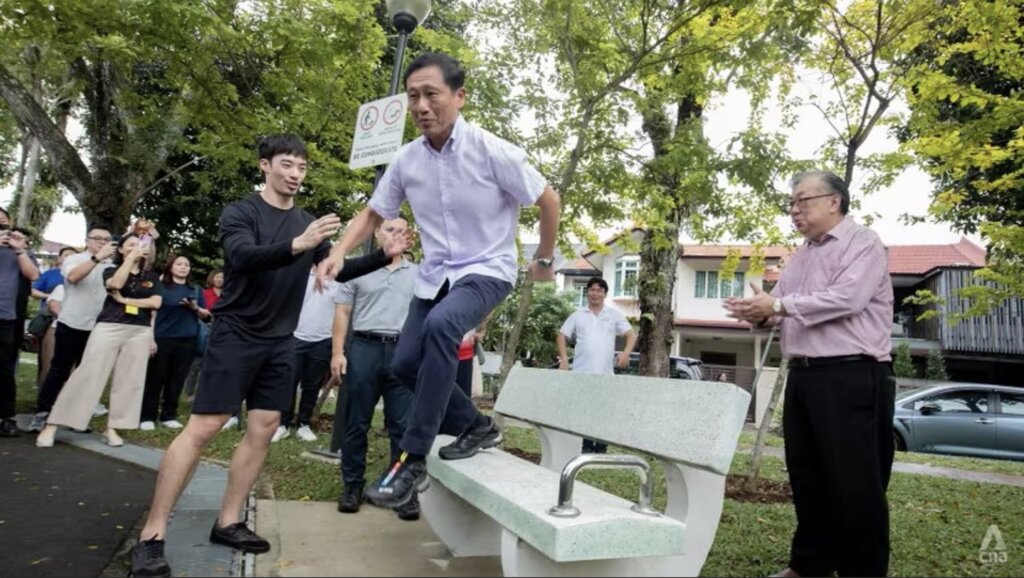
Our AAC (Care) at West Coast collaborated with West Coast grassroots to launch the Residents’ Network (RN) container hub at Jalan Mas Kuning, opened by Minister Ong Ye Kung and Minister Desmond Lee. Our AAC(Care) supports programmes like Parkour, Chair Yoga and Kpop at the container weekly.
Coming up in 2026
AAC 2.0 - New Boundaries
Our three (3) AACs are on track to meet the AAC 2.0 stretch targets (in the respective categories of seniors) by March 2026:
- 2 Active Ageing Programmes (AAPs) for robust seniors – 30%
- 6 AAPs for frail seniors – 50%
- 6 AAPs for seniors needing buddying – 50%
- 12 AAPs for seniors needing befriending – 50%
MOH has revised our sub-region boundaries and our assigned number of seniors has changed accordingly:
KT – From 2,260 to 3,154
CV – From 2,220 to 2,188
WC – From 3,666 to 4,167
Satellites and new AACs
We were allocated a 413sqm space at Block 510 for our West Coast AAC satellite. We will have the centre up and ready by the second half of 2026. The centre will have a partnership room, karaoke room and a baking studio.
As ICCP at Seletar-Sengkang and Bedok, we will also be working with partner providers and definitely setting up new AACs at Bedok which was given to us as a clean-slate subregion. We will have an assigned population of around 4000 seniors there.
Our AACs at Khatib and West Coast will also be organising the Combat Age-related Loss of Muscle (CALM) workshops for seniors in 2026.
Together with SUSS, we will conduct the Reminiscence Facilitation (RF) training for volunteers at Khatib AAC. For the Guardian Angel project, we will also continue to share with our partners at Reach AAC, Precious AAC and Bcare AAC.
Guardian Angel
We embarked on a monitoring system to observe behavioural trends of seniors who live alone at home, using sensors placed at strategic locations in the house. From the central monitoring dashboard, changes in behavioural patterns will alert staff to check in with the senior and even initiate further investigations if necessary. Over time, it will provide a compendium of behavioural trends for early detection of health and social deterioration more closely related to ageing.
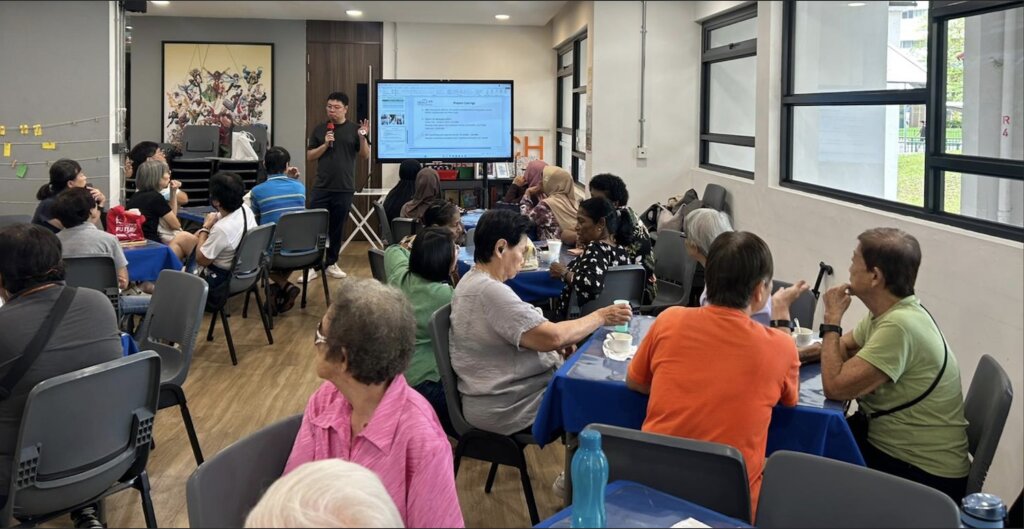
Hence, we piloted Guardian Angel (GA) at the homes of 50 AAC seniors who live alone, across Khatib, Compassvale and West Coast AAC, expanding to 26 more, with the assistance of SNCF funding. Towards the end of 2025, we shared our GA technology with seniors at Reach AAC, Precious AAC and Bcare AAC.
Lorem ipsum dolor sit amet, consectetur adipiscing elit. Ut elit tellus, luctus nec ullamcorper mattis, pulvinar dapibus leo.
In 2026
We will be installing the monitoring devices at their homes in the first half of 2026. Amidst a market of detection systems, Guardian Angel is a monitoring system, uniquely supported by a nursing team, AAC staff and volunteers, through a structured monitoring and response framework.
Overall, GA exemplifies a holistic, person centred approach to community care and strengthens our mission to help seniors age independently and with dignity.
Virtual Reality Recreational Therapy (VRRT)
In the age of spatial computing that merges digital content with physical space, allowing users to see their surroundings in a fully immersive way, it was discovered that ‘virtual reality’ can actually have therapeutic benefits. Virtual Reality Recreational Therapy (VRRT) was introduced to support holistic, person centred care for seniors who are frail, socially isolated, or living with dementia. The programme uses immersive 360 degree virtual reality experiences featuring familiar places, cultural settings, food traditions, and festivals to promote emotional well being, cognitive stimulation, reminiscence, and social interaction across our Senior Care Centres (SCCs) and Active Ageing Centres (AACs).
Fully implemented in 2025, the programme deployed VR kits across our SCCs and AACs, reaching approximately 275 seniors in locations including Telok Blangah, Jurong West, Khatib, West Coast, and Compassvale. The post programme findings showed strong engagement and positive emotional impact among our SCC seniors, with increased storytelling and social interactions. The results also highlighted the importance of content personalisation, as familiarity with cultural and life experiences do influence engagement levels with the seniors. Overall, the VRRT Project demonstrates the potential of immersive technology to enhance seniors’ well being and support for ageing well in the community.
The VRRT programme will continue to be rolled out in 2026, with the view to reach out to more seniors, especially those who tends to be socially isolated. It was also learned, from experience, that the more tech-savvy seniors may in fact require differentiated contents that could capture their motivation to seek cognitive stimulation.
For the SCCs and the sheltered home, and particularly the older seniors, VRRT will remain more as a therapy, that could complement the programmes and activities to keep them socially connected and engaged.
This programme also caters for the active seniors (volunteer facilitators) who facilitate these therapy sessions and form an essential group of micro-jobbers. This is the group of seniors who then, are socially engaged in a contributive disposition.
SUSS Reminiscence Facilitation
Therefore, it was timely and opportunistic that we found a partner in SUSS who were responsible for developing the Reminiscence Facilitators programme just a few years ago. As they embarked on their 4 years’ pan-Asian DBSF-SUSS Regional Reminiscence Hub research project in 2025, they sought our partnership in providing volunteer seniors as facilitators, as well as seniors to participate in the reminiscence therapy.
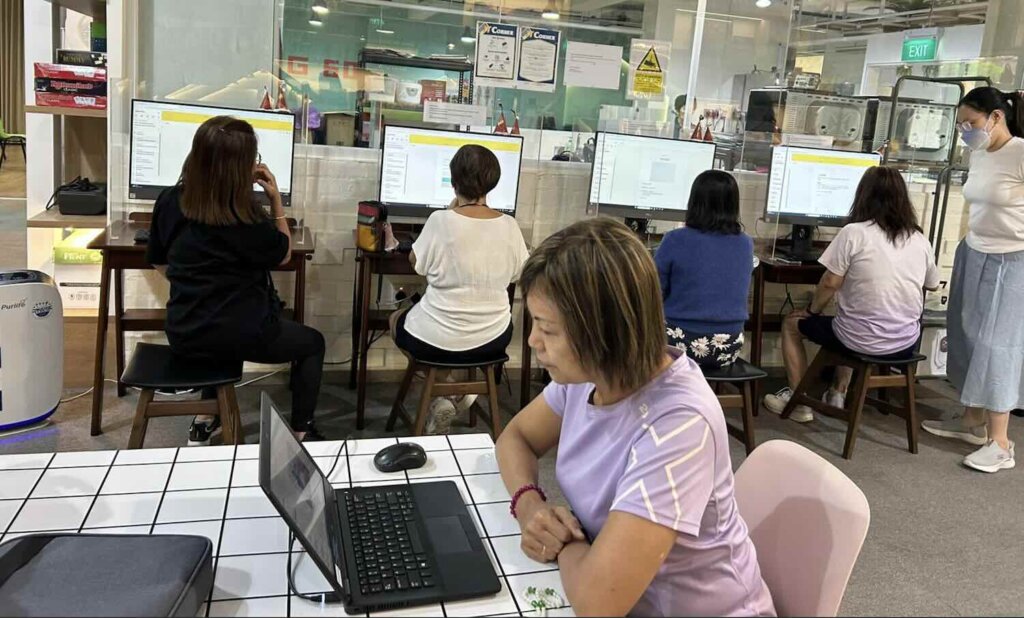
We had 18 seniors from KT who attended a 1-day e-learning and 3-days physical training at SUSS. The 15 trained Reminiscence Facilitators are facilitating the sessions with 60 elderly adults at our HS sheltered home and the other three are facilitating with 12 senior adults at our KT AAC. This is a micro-job opportunity for our seniors as they will be receiving remuneration for the facilitation.
Into 2026
The trained facilitators have already commenced their facilitation work. Using the VR kits available, this work will also form part of the SUSS research project on the ‘impact of reminiscence facilitation for frail and dementia seniors’. The research would also cover the ‘micro-job opportunities’ which offer meaningful engagement and promote active ageing’.
Rehabilitation Services
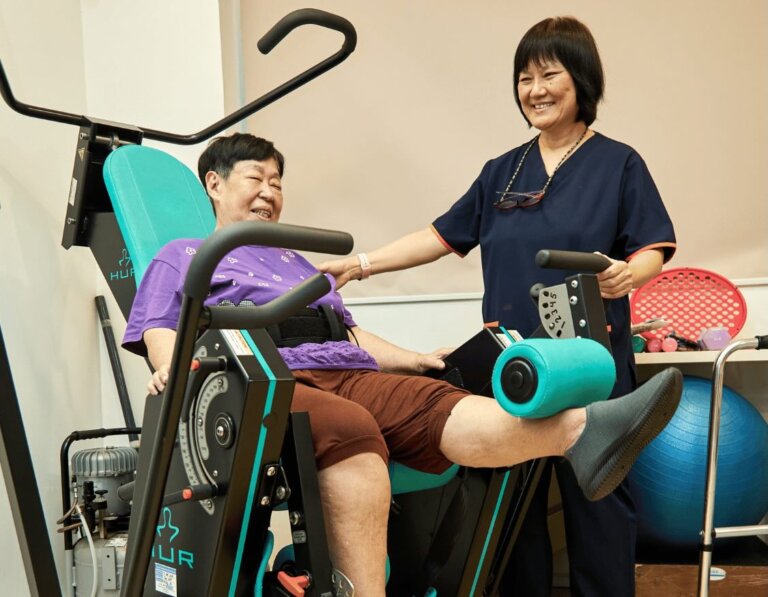
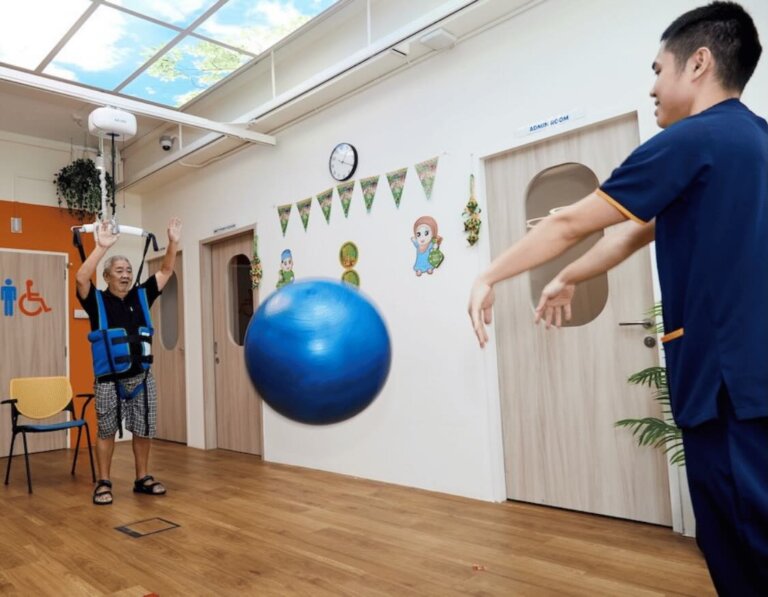
The Rehabilitation Department has made strong progress with the establishment of an in-house multidisciplinary team comprising Physiotherapists (PTs), Occupational Therapists (OTs), and Therapy Assistants, supported by dedicated rehabilitation leadership. This team enables the delivery of comprehensive, centre-based rehabilitation services aligned with organisational care objectives.
In parallel, a collaboration has been established with the Singapore Institute of Technology (SIT) to support clinical placements for PT and OT students. The first PT student placement was successfully completed in December 2025. This ongoing partnership supports workforce development, enhances organisational visibility, and contributes to building a sustainable rehabilitation talent pipeline.
Looking ahead, the department is preparing to launch Home Therapy services in 2026. This newly awarded programme is currently undergoing the necessary pre-audit processes and represents a strategic expansion of rehabilitation services, extending continuity of care beyond the centre-based setting.
As part of broader efforts to explore making the rehab department profitable, SASCO has also partnered with Jamiyah Nursing Home to provide Physiotherapy and Occupational Therapy manpower services. Services commenced in January 2026, marking another step in strengthening external collaborations and supporting the long-term growth and sustainability of rehabilitation services.